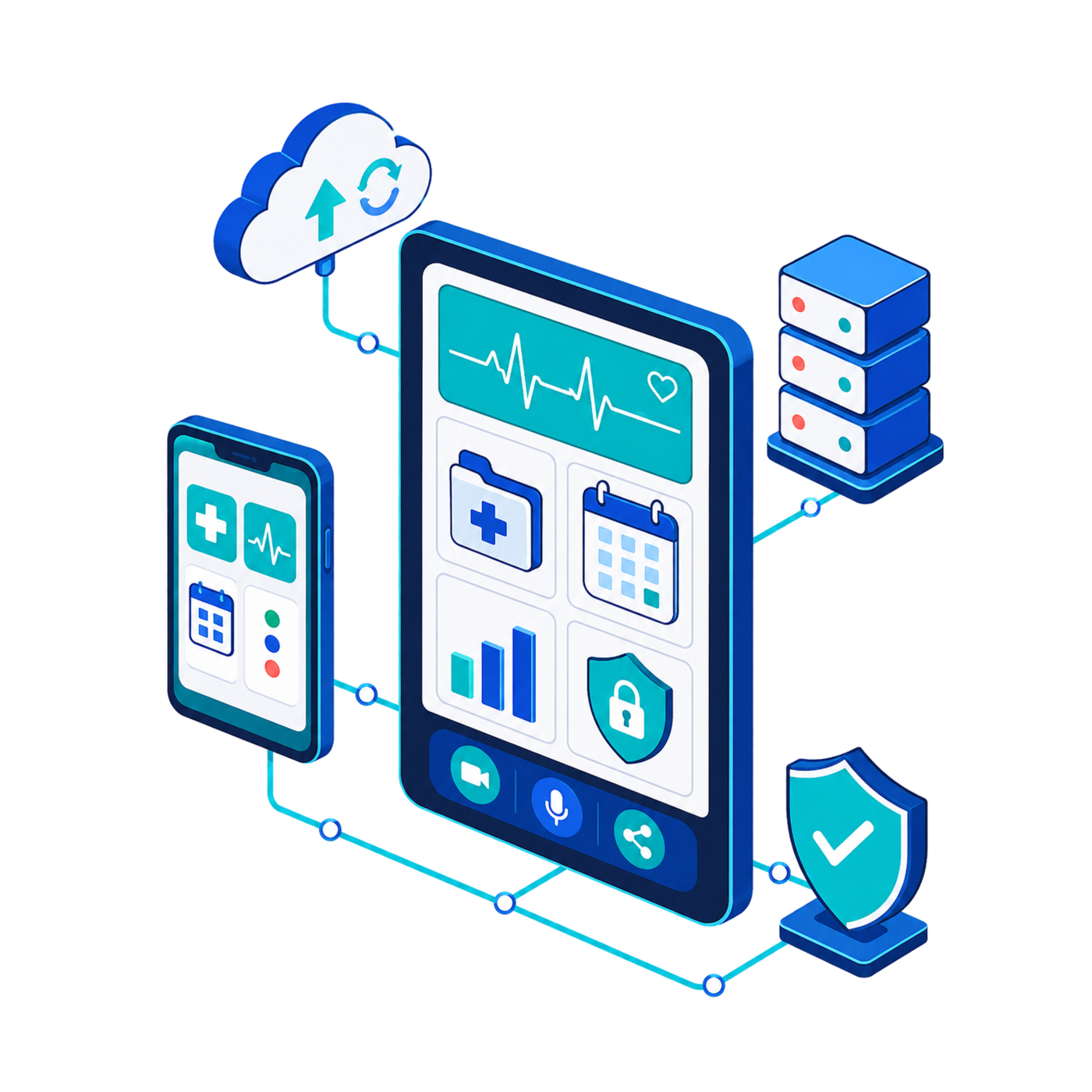
Shape intake, appointments, documents, reminders, education, and follow-up into a guided experience that reduces uncertainty before and after a service interaction.
Connect scheduling, pre-visit steps, participant access, communication, documentation, and follow-up so a virtual service feels complete from both sides of the appointment.
Give staff, providers, and partners role-specific queues, records, permissions, and status visibility so work moves forward without relying on scattered messages and manual handoffs.
Bring supported device data into patient and staff experiences, then route notable changes through defined alerts, review steps, and escalation paths instead of leaving readings in isolation.
Use healthcare data for search, document handling, reporting, and carefully bounded assistance while keeping source context, permissions, traceability, and human review visible.
Separate urgent product problems from long-term architecture work, then modernize interfaces, services, integrations, and deployment in stages that respect current users and operating routines.
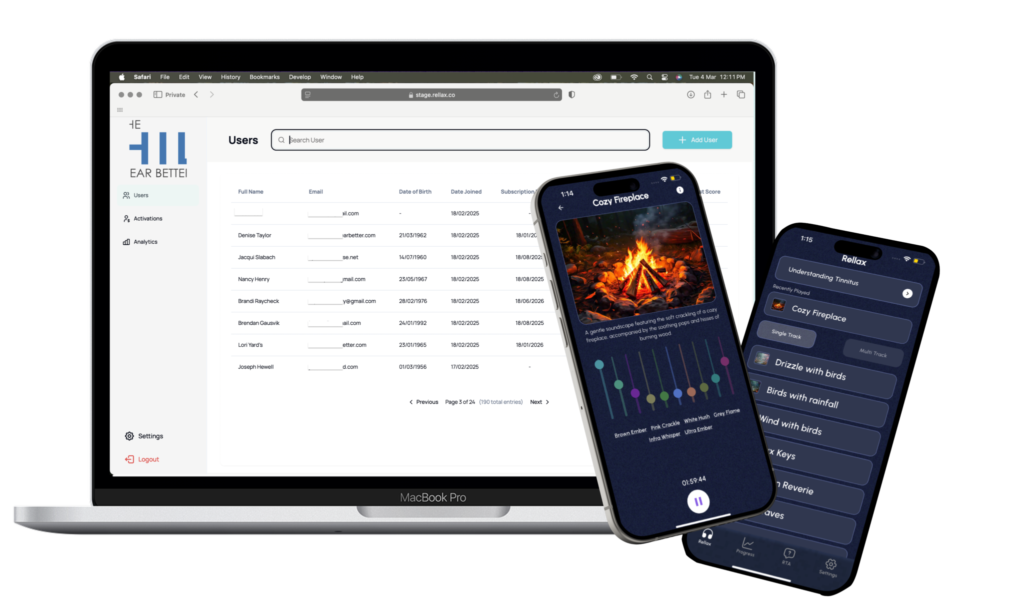
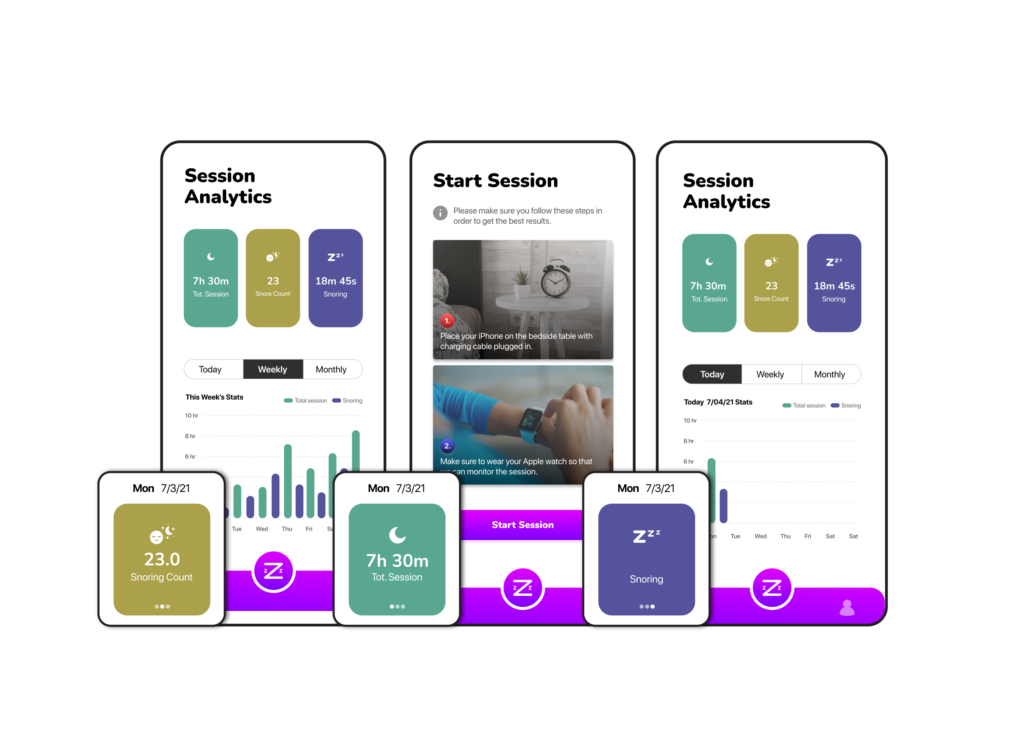
A healthcare platform may require planning, UX, web development, mobile apps, cloud, AI, cybersecurity, and long-term support. These service areas can work together as one connected delivery plan.
Build custom healthcare platforms, workflow systems, portals, dashboards, and integrations.
Create patient apps, provider apps, reminders, tracking tools, and engagement features.
Develop healthcare portals, admin systems, dashboards, and browser-based platforms.
Deploy, monitor, scale, secure, and optimize healthcare software infrastructure.
Explore DevDefy’s profiles across established software development and technology directories.




Key healthcare software decisions come before design: who acts, what data moves, where review is needed, and which systems must connect.