Transportation and Logistics
Management System Software
What We Build
Transportation & Logistics Software Capabilities
Make shipment status visible before someone has to ask for it
Bring location, milestones, ETA changes, route context, shipment history, and exceptions into one view so operations teams can quickly see what is moving and what needs attention.
- Live location & tracking
- Shipment timelines
- ETA & milestone updates
- Exception alerts
Turn dispatch into a visible operating queue instead of a chain of messages
Connect load assignment, driver or carrier activity, status changes, notes, route details, and exception ownership so dispatchers can work from a current view of the day.
- Load assignment
- Dispatch queues
- Status-driven actions
- Exception ownership
Give drivers the actions they need without carrying the back office into the cab
Shape assignments, route details, location sharing, check-ins, document capture, delivery confirmation, and status updates into a focused mobile workflow built for work on the move.
- Load & route details
- Location sharing
- Photo & document capture
- Proof of delivery
Keep freight documents connected to the shipment they belong to
Organize BOLs, PODs, rate confirmations, invoices, carrier files, templates, uploads, and review steps around the load instead of scattering them across inboxes and shared folders.
- BOL & POD workflows
- Document templates
- Review & approval status
- Permissioned document history
Give external users the visibility they need without exposing internal operations
Create role-specific experiences for customers, carriers, brokers, and partners so shipment updates, documents, messages, invoices, and approved actions can move through controlled portals.
- Customer shipment tracking
- Carrier portal access
- Document exchange
- Role-based actions
Connect live logistics data without losing control of what happens between systems
Integrate maps, GPS, ELD, TMS platforms, notifications, storage, analytics, and partner systems with clear rules for synchronization, retries, failures, and source-of-truth ownership.
- GPS & mapping APIs
- ELD connectivity
- TMS integrations
- Webhooks & event handling
Selected Transportation & Logistics Work
Transportation & Logistics Projects
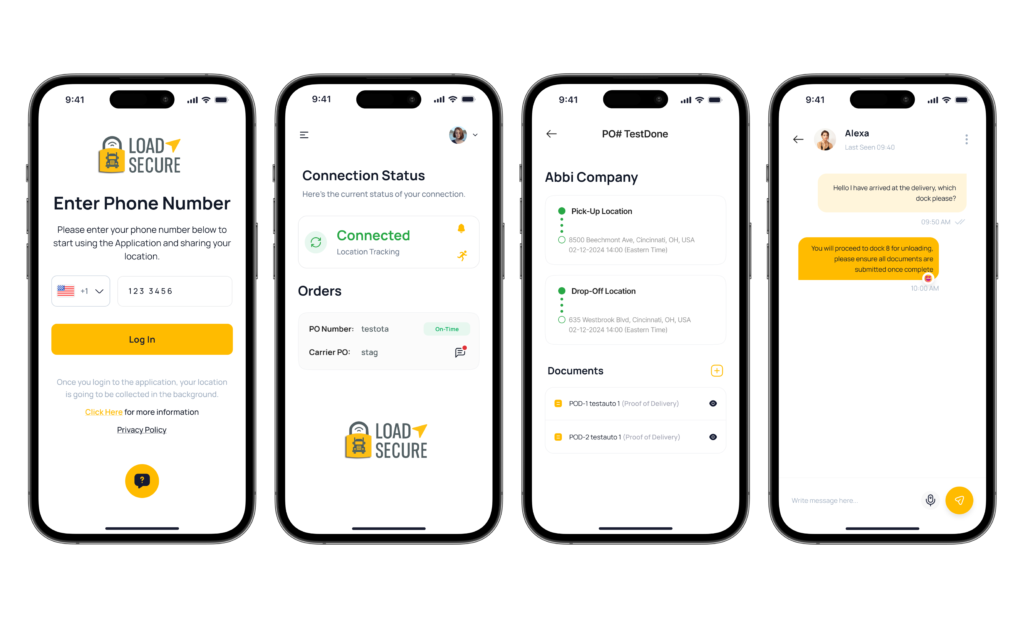
Load Secure — Freight operations connected across tracking, drivers, and documents
Load Secure brings orders, shipment state, driver activity, customer records, digital documents, tracking views, and operational metrics into a connected logistics platform built around load transparency.
- Shipment tracking
- Driver visibility
- Digital documents
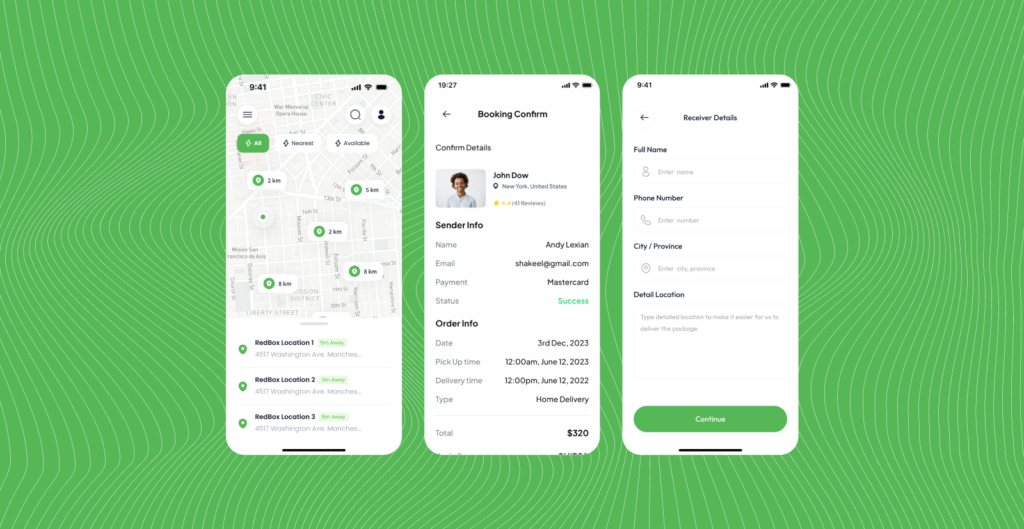
Logistics Operations — Mobile Load & Delivery Management
This logistics mobile product brings load information, route context, shipment details, driver-facing actions, and delivery progress into a focused mobile experience designed for work on the move.
- Load management
- Route tracking
- Delivery workflows
Related DevDefy Services
Logistics Projects Often Need Multiple Services
Build TMS platforms, dispatch tools, carrier portals, tracking systems, and custom logistics software.
Create driver apps, field apps, shipment update tools, document capture flows, and mobile logistics workflows.
Build web portals for logistics teams, customers, carriers, brokers, administrators, and operations managers.
Independent Company Profiles
Find DevDefy on Leading Software Directories
Explore DevDefy’s profiles across established software development and technology directories.




More industry experience
Explore Other DevDefy Industry Solutions
01
Retail & E-commerce
02
Finance
Digital products, portals, reporting, and operational workflows
03
Healthcare
04
Sports & Fitness
05
Agriculture
06
Entertainment
Transportation & Logistics Software FAQs
Questions About Building Transportation Software
Ready to Build Logistics Software Around the Way Your Operation Actually Moves?