Startup Idea Validation

Startup Idea Validation: How to Know If Your Idea Is Worth Building

Startup idea validation is the process of testing whether a real market demand exists before building a product. It focuses on evidence, user behavior, and willingness to pay, not assumptions.

It is the most important step before writing a single line of code. Yet many founders skip it. Instead, they rush into MVP development without confirming demand and assume speed will solve uncertainty. However, building faster does not fix weak demand.

The top reason startups fail is lack of market need. Therefore, validating a startup idea before development is not optional, it is strategic risk management.

A Simple Startup Idea Validation Framework

This startup idea validation framework focuses on evidence, not opinions. Each step builds confidence before you invest in code.

1. Talk to Real Users with the Problem

To validate a startup idea without coding, begin with conversations. However, do not pitch your product. Instead, explore the problem.

Ask open-ended questions:

How are you solving this today?
What does this issue cost you?

What happens if you ignore it?

Patterns matter more than praise. If ten independent people describe the same frustration, that signal is powerful. 

For deeper interview strategy, many founders reference The Mom Test, which teaches how to avoid biased feedback. 

Through structured customer discovery, you begin validating product market fit long before development. 

2. Test Demand with a Simple Landing Page

Next, test startup validation through behavior. A simple landing page can help you validate a tech startup idea with measurable actions. Create a focused landing page that communicates one thing clearly: the problem and your proposed solution. Keep it concise and remove distractions. Then introduce a single action that reflects interest, such as joining a waitlist or downloading a resource.

Track:

Conversion rate
Cost per signup
Organic traffic

This stage is not about revenue yet. Instead, it evaluates clarity and positioning. If visitors consistently opt in, your value proposition connects. If response is weak, adjust messaging, audience targeting, or problem framing before moving forward.

At this point, you are validating resonance, not revenue.

3. Validate Willingness to Pay Early

Interest alone does not confirm startup validation. Many founders misinterpret engagement as demand. However, true validation begins when users assume financial risk.

Introduce an offer that requires commitment. That may include paid pilots, refundable deposits, or discounted early-access pricing. The structure matters less than the exchange of value.

Free signups indicate curiosity. Payment indicates urgency.

When someone willingly pays for a product that does not yet exist, they are validating the seriousness of the problem. Conversely, hesitation around pricing often exposes weak pain points or unclear differentiation.

If customers transfer money before code exists, you are approaching verified product-market alignment.

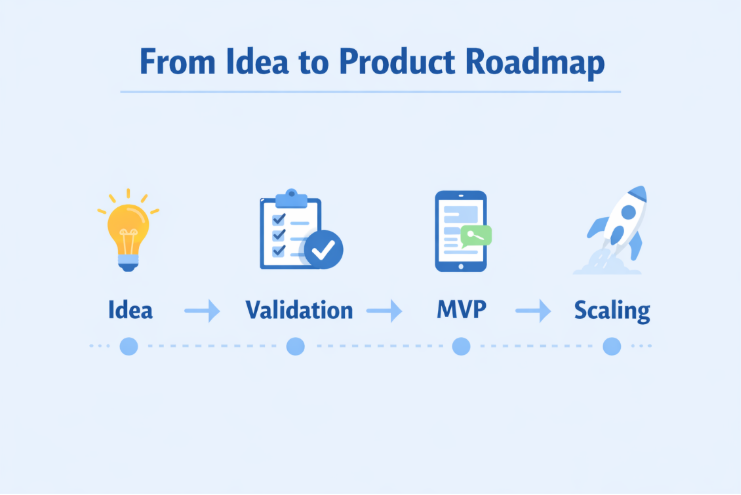
From Startup Idea Validation to product roadmap

Critical Mistakes That Undermine Validation

Although the framework is simple, founders often misapply it.

First, interviewing only friends produces polite answers. Neutral prospects provide honest reactions.

Second, building a feature-rich minimum viable product before validating demand inflates cost and slows meaningful learning.

Third, asking leading questions creates artificial validation. Instead of “Would you use this?”, ask “What would make you switch?”

Finally, ignoring weak signals can be expensive. If repeated objections appear, address them before expanding.

Effective startup idea validation demands objectivity.

Clear Signals That It’s Time to Build

At some point, learning must transition into execution. However, timing matters.  Consider moving into development when:
Independent users describe the same urgent problem 
Landing page conversions remain consistent
Prospects agree to pay or pre-commit

When these signals align, your idea has crossed from assumption to evidence.

Takeaway

Startup idea validation determines whether your concept deserves investment. Talk to real users. Test demand with measurable behavior. Ask for financial commitment early.

If users will not act, iterate your concept, not your code.

Frequently Asked Questions (FAQs):

How do I validate a startup idea before building a product?

You validate a startup idea without building by conducting customer interviews, launching a simple landing page, and testing willingness to pay. The goal is to measure behavior such as signups or deposits, before investing in development. If users take action, demand likely exists.


Is an MVP required for startup validation?

Not always, but an MVP is most effective after initial demand is confirmed. Early validation should test the problem and willingness to pay first. Building too soon increases risk.

How do you know if your startup has product market fit?

Product market fit exists when customers actively seek your solution, convert without heavy persuasion, and show readiness to pay. Consistent demand and positive retention signals confirm alignment between problem and solution.

Turn Validation into Revenue

Move confidently from proven demand to product-market fit with DevDefy’s expert guidance.