Gamification in apps DevDefy image

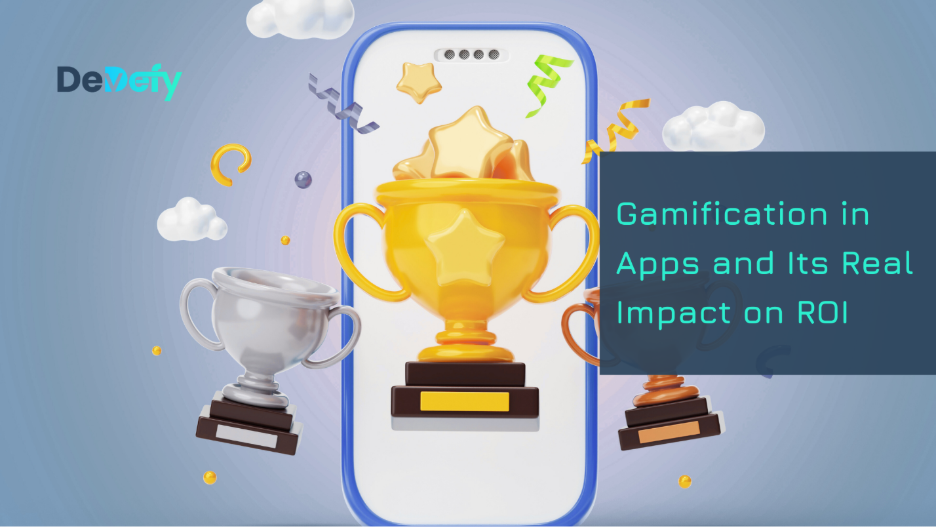
Gamification in Apps and Its Real Impact on ROI

Gamification in apps shows up in your daily routine more often than you think. You order coffee through your favorite delivery app and unlock a small reward for your fifth purchase. Later, your fitness app celebrates a weekly milestone. At night, your language app reminds you to protect your learning streak. Without even noticing it, you’ve experienced gamification in apps several times in a single day. These small mechanics are not just fun additions. When designed with purpose, they influence behavior in ways that directly affect app ROI. However, not every gamified feature creates value. The impact depends on intent, timing, and execution.

Why Gamification in Apps Matters

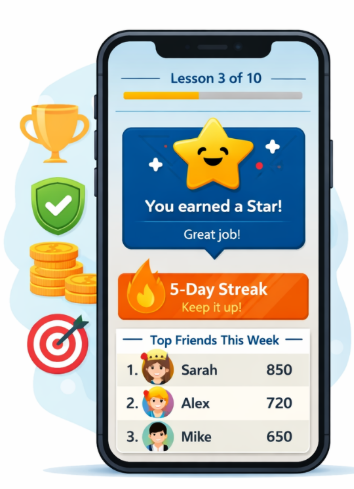
At its core, gamification in apps uses structured incentives to encourage specific actions. Instead of pushing users with aggressive prompts, it builds momentum through progress, feedback, and small wins. Because users enjoy visible progress, they are more likely to complete tasks. As a result, mobile app engagement becomes more consistent rather than random. That consistency is what supports measurable growth.
gamification in apps with earned streaks

How Gamification in Apps Strengthens App ROI

When aligned with product goals, gamification in apps affects ROI in three clear ways.

It Activates Users Faster

First impressions matter. If users do not experience value early, they leave. Gamified onboarding such as step completion trackers or milestone rewards, guides users through key actions. Consequently, activation rates improve and more users experience the app’s value. Higher activation reduces drop-offs at the most critical stage.

It Builds Habit Loops

Habits drive sustainable growth. Daily streaks, progress tracking, and recurring challenges create predictable engagement cycles. Over time, these cycles strengthen user routines. Instead of opening the app occasionally, users return with intention. This creates steady, measurable growth. Habit formation is more powerful than short-term excitement.

It Encourages Feature Adoption

Many apps struggle with unused features. Users often stick to the basics and ignore deeper value. Gamification can spotlight underused features by attaching goals or achievements to them. For example, unlocking advanced tools after completing guided tasks encourages exploration. As feature adoption improves, users perceive greater product value. Greater value perception supports stronger retention and ultimately improves app ROI.
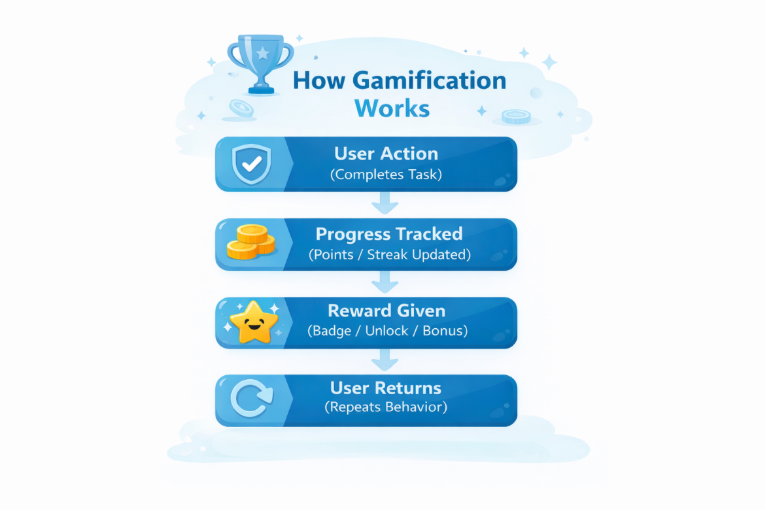
how gamification works

When Gamification in Apps Fails

Not all gamification works. Poorly designed systems can confuse users and reduce engagement. For example:
Random badges that don’t reflect real progress
Too many pop-ups or notifications
Rewards that feel irrelevant or forced
Gamification also cannot fix underlying product problems. If usability is poor or core value is unclear, adding game elements won’t help and may even reduce engagement.

How to Do Gamification Right

Before adding game mechanics, pause and think strategy first.

Know your audience:

Understand what motivates them and what frustrates them. Gamification should feel natural, not forced.

Set clear goals:

Decide what behavior you want to influence, whether it’s retention, engagement, or feature usage.

Start simple:

Test small elements first, then expand based on real data.

Reward with purpose:

Make rewards meaningful, not random. Value drives action.

Keep it relevant:

Personal touches and social elements work only when they align with user intent.

Examples of Successful Gamification

Several brands use gamification in apps to drive real business results:

Starbucks:

The Starbucks Rewards app turns purchases into stars. As users collect points, they unlock free drinks and exclusive offers, which encourages repeat visits.

Duolingo:

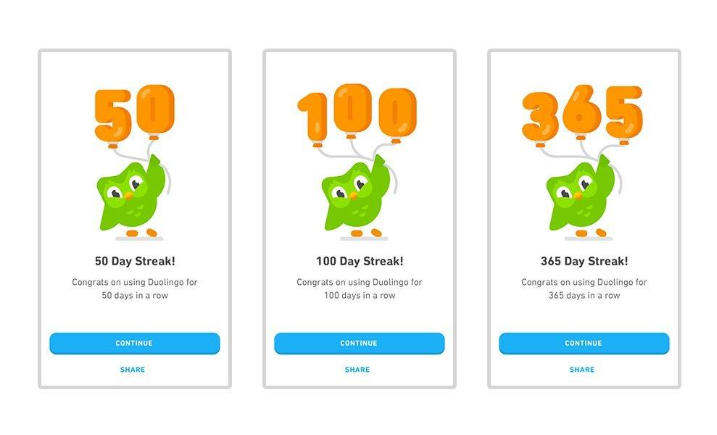
Daily streaks, levels, and leaderboards keep learners consistent. The sense of progress motivates users to return every day.
how gamification increases user engagement

Nike Run Club:

Runners earn achievements, track milestones, and compete with friends. These features turn workouts into measurable progress.

Takeaway

Gamification in apps is neither magic nor decoration. It is a structured behavioral tool.  When built with strategy, it improves activation, strengthens habits, and increases feature adoption, all of which contribute to stronger app ROI. When added without direction, it creates noise that users ignore.  The difference is never the badge or the leaderboard. The difference is intent. 

Frequently Asked Questions (FAQs):

Does gamification in apps always improve ROI?
No. It improves ROI only when aligned with meaningful user actions.
Can gamification increase mobile app engagement without overwhelming users?
Yes, if it focuses on progress and value instead of excessive rewards.
Is gamification suitable for early-stage products?
It can be, but only after the core product experience is validated.
Learn how gamification in apps increases user engagement

Want Smarter App ROI?

Let DevDefy craft gamification in apps that keeps users coming back.